Socket Sets: Impact, Deep & Standard

Sockets are the tools you touch on every job, so the set you buy matters more than almost anything else in the box. This is Val's socket range: impact and chrome, deep and standard, metric and SAE, in 1/4, 3/8 and 1/2 inch drive, from Grey Pneumatic, Astro Pneumatic, VIM and Koken. Find the drive size and type you need below.

1 2 3

Impact or chrome: pick by the tool, not the price

This is the distinction that matters most. Chrome sockets are hardened and thin-walled for hand tools, which is what you want on a ratchet because they fit tighter spaces and finish cleanly. Impact sockets are made from softer, more ductile steel with thicker walls, so they absorb the hammering of an impact wrench instead of shattering. Running a chrome socket on an impact gun is how sockets crack and send fragments across a bay. If a socket will ever see an impact tool, buy impact.

Choosing drive size and depth

Most techs end up with all three drives, but they get bought in a predictable order.

Drive size

Three-eighths is the workhorse and the right first set: enough torque for most fastener work, small enough to fit. One-half drive handles suspension, crank bolts and anything needing real torque. One-quarter drive is for small fasteners, interior trim and tight engine-bay work where a 3/8 ratchet will not swing.

Standard or deep

Standard sockets fit in tighter spaces and cover most work. Deep sockets clear a protruding stud or a long bolt, which is why they are essential for suspension work, exhaust fasteners and anywhere a nut sits down a thread. A good kit has both in the sizes you use most.

Six point or twelve point

Six-point sockets contact more of each flat, so they grip worn fasteners better and are less likely to round a head. Twelve-point sockets go on in twice as many positions, which helps in tight quarters. For automotive work, especially on older or rusted hardware, six-point is the safer default.

Specialty sockets worth having

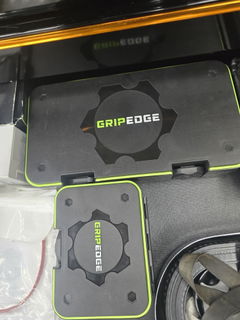
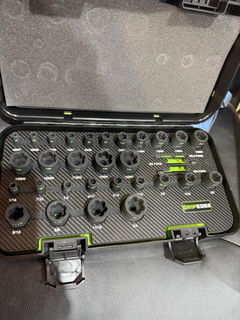
Beyond the standard sets, a few specialty sockets save real damage. Thin-wall lug nut sockets protect alloy wheels from scarring. Magnetic spark plug sockets hold the plug so you are not fishing it out of the well. Pinless universal impact sockets flex to an angle without a separate joint, and extra-deep sets reach fasteners on long studs. Val also stocks socket extractors for the ones that are already rounded off.

FAQ

What is the difference between impact sockets and regular sockets?

It is the steel and the wall thickness. Chrome sockets are hardened and thin-walled, made for hand tools and ratchets, which lets them fit tighter spaces and finish cleanly. Impact sockets use a softer, more ductile steel with thicker walls so they flex rather than shatter under the hammering of an impact wrench. Using a chrome socket on an impact gun risks cracking it and throwing fragments. If a socket will ever go on an impact tool, buy impact-rated.

What size socket set should I buy first?

For general vehicle work, a 3/8 inch drive metric set is the best first buy. It has enough torque capacity for most fastener work while staying small enough to fit where you need it, and almost everything on a modern car is metric. Add 1/2 inch drive next for suspension, crank bolts and anything needing serious torque, then 1/4 inch for small fasteners and interior work. SAE matters mainly for older domestic vehicles and equipment.

When do I need deep sockets?

Whenever the nut does not sit flush. A deep socket clears a protruding stud or a long bolt so the socket can seat fully on the flats, which is common on suspension components, exhaust fasteners, battery terminals and anywhere a nut runs down a long thread. A standard socket on a protruding stud will only catch the top of the nut, if it reaches at all, and that is how fasteners get rounded. Most people want both depths in their common sizes.

Are six-point or twelve-point sockets better?

For automotive work, six-point is usually the better default. It contacts more of each flat on the fastener, so it grips worn hardware better and is far less likely to round a head, which matters on rusted or previously-removed bolts. Twelve-point sockets fit onto a fastener in twice as many positions, which helps when swing room is limited, and they are needed for twelve-point fasteners. If you are buying one set, choose six-point.

What does a thin-wall lug nut socket do?

It protects the wheel. Alloy wheels often have tight lug recesses, and a standard impact socket can contact the wheel face and scar the finish while you run the nut off. Thin-wall lug sockets have a reduced outer diameter and usually a protective sleeve, so the socket clears the recess and does not mark the wheel. If you do tyre and wheel work on customer vehicles, they pay for themselves the first time.
Feature Image
DESIGNED FOR COMFORT

DESIGNED FOR COMFORT

Engineered for all-day wear, no matter how tough the job.

FREEBIES

FREEBIES

Every purchase comes with a freebie. Pick yours when adding your product to cart!

TESTED BY PROS

TESTED BY PROS

Gear designed, tested, and loved by hardworking professionals.

HASSLE-FREE RETURNS

HASSLE-FREE RETURNS

Quality is our quiet promise. We ensure everything we create is designed to perform.