Impact Wrenches & Impact Drivers

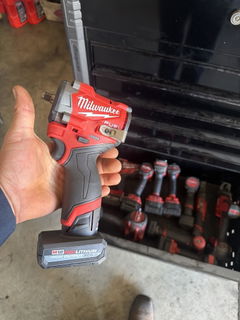
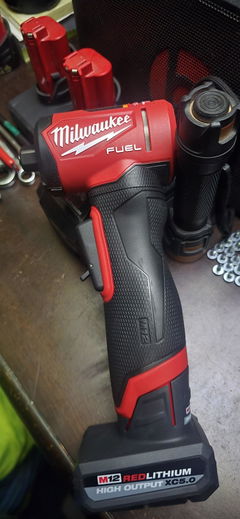
An impact wrench is the tool that turns a fight into a job. This is Val's range of cordless and air impacts in 1/4, 3/8, 1/2 and 3/4 inch drive, from Milwaukee, DeWalt and AIRCAT, plus the impact drivers for fastener work. Pick your drive size and power source below.

Impact wrench or impact driver: they are not the same tool

They get confused constantly. An impact wrench has a square anvil and drives impact sockets, and it is built for nuts and bolts: wheels, suspension, axle nuts. An impact driver has a 1/4 inch hex collet and drives bits, so it is for screws and fasteners in wood, metal and trim. Both deliver rotational hammer blows, but the wrench puts out far more torque while the driver is lighter and better controlled for repetitive fastener work. Most shops need both; most garages start with the wrench.

Choosing drive size and torque

Buying too much tool is as common a mistake as buying too little.

1/2 inch: the default

Half-inch drive covers wheels, brakes, suspension and most of what a shop does. High-torque versions handle rusted axle nuts and seized suspension bolts; mid-torque versions give up some power for a lighter, better-balanced tool that is easier to live with all day. For one impact wrench, this is the size.

3/8 inch: tight spaces

Three-eighths drive trades torque for access, which is the right trade in an engine bay or under a dash. Compact and subcompact models fit where a half-inch tool simply will not, and they still pull far harder than a hand ratchet.

3/4 inch and air tools

Three-quarter drive is for heavy truck, equipment and industrial fasteners. Air impacts still make sense where there is a compressor and constant duty: they run lighter than cordless because there is no battery, and they do not slow down as a pack drains.

Cordless or air

Cordless has taken over most automotive work because it goes where the job is, and modern brushless tools match air impacts on torque. The trade-off is weight and batteries to manage. Air stays better for high-duty-cycle shop use where a compressor already exists and tool weight matters over a full shift. If you are going cordless, pick the platform first, since batteries drive the long-term cost. Pair whatever you choose with proper impact sockets and a torque wrench for final spec, because an impact gun should never be the tool that sets final torque.

FAQ

What is the difference between an impact wrench and an impact driver?

An impact wrench has a square drive anvil, takes impact sockets, and is built for nuts and bolts: wheels, suspension, axle nuts and anything that needs high torque. An impact driver has a 1/4 inch hex collet, takes driver bits, and is built for screws and smaller fasteners. The wrench produces far more torque; the driver is lighter and easier to control for repetitive work. They are not interchangeable, and most people who work on vehicles need the wrench first.

What size impact wrench do I need for automotive work?

Half-inch drive is the right answer for most people. It covers wheels, brakes, suspension and general repair, and the tool selection at that size is the widest. Choose a high-torque model if you regularly fight rusted axle nuts and seized suspension bolts, or a mid-torque model if you want something lighter and better balanced for all-day use. Add 3/8 inch drive for engine-bay and tight-access work, and 3/4 inch only for heavy truck and equipment.

Is a cordless impact wrench as good as an air impact?

For most automotive work now, yes. Modern brushless cordless impacts match or beat comparable air tools on torque, and they go wherever the job is without dragging a hose. Air still has advantages for constant, high-duty-cycle shop use: the tools are lighter without a battery, they do not fade as a pack drains and there is no battery cost over time. If you already have a compressor and work in one bay, air remains viable. Otherwise cordless is the practical choice.

Can I use regular sockets on an impact wrench?

No. Chrome sockets are hardened and thin-walled for hand tools, and the repeated hammering of an impact wrench can crack them and throw fragments. Impact sockets use a more ductile steel with thicker walls so they flex rather than shatter, and they are marked as impact-rated, usually with a black finish. Always use impact sockets on an impact tool. The same applies to extensions and adapters, which should also be impact-rated.

Should I use an impact wrench to tighten wheel nuts?

Use it to run the nuts down, not to set final torque. An impact wrench cannot deliver an accurate torque value, and over-tightening wheel nuts warps brake rotors and stretches studs. The correct method is to snug the nuts with the impact or by hand, then set final torque with a torque wrench to the manufacturer's spec in the right sequence. Torque sticks help limit output but are not a substitute for a torque wrench.
Feature Image
DESIGNED FOR COMFORT

DESIGNED FOR COMFORT

Engineered for all-day wear, no matter how tough the job.

FREEBIES

FREEBIES

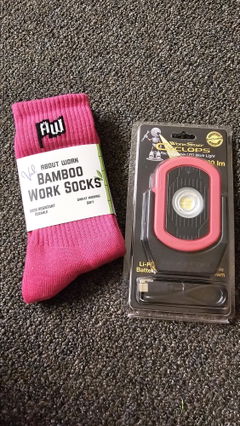
Every purchase comes with a freebie. Pick yours when adding your product to cart!

TESTED BY PROS

TESTED BY PROS

Gear designed, tested, and loved by hardworking professionals.

HASSLE-FREE RETURNS

HASSLE-FREE RETURNS

Quality is our quiet promise. We ensure everything we create is designed to perform.